


It’s that time of year when getting out from under the warm blanket feels like a challenge. And when the cold starts to bite, nothing warms you up better than a hot pot dish! So, we’ve put together a guide on how to enjoy Japanese hot pot favorites like oden, shabu-shabu, and sukiyaki.
share:


Table of Contents
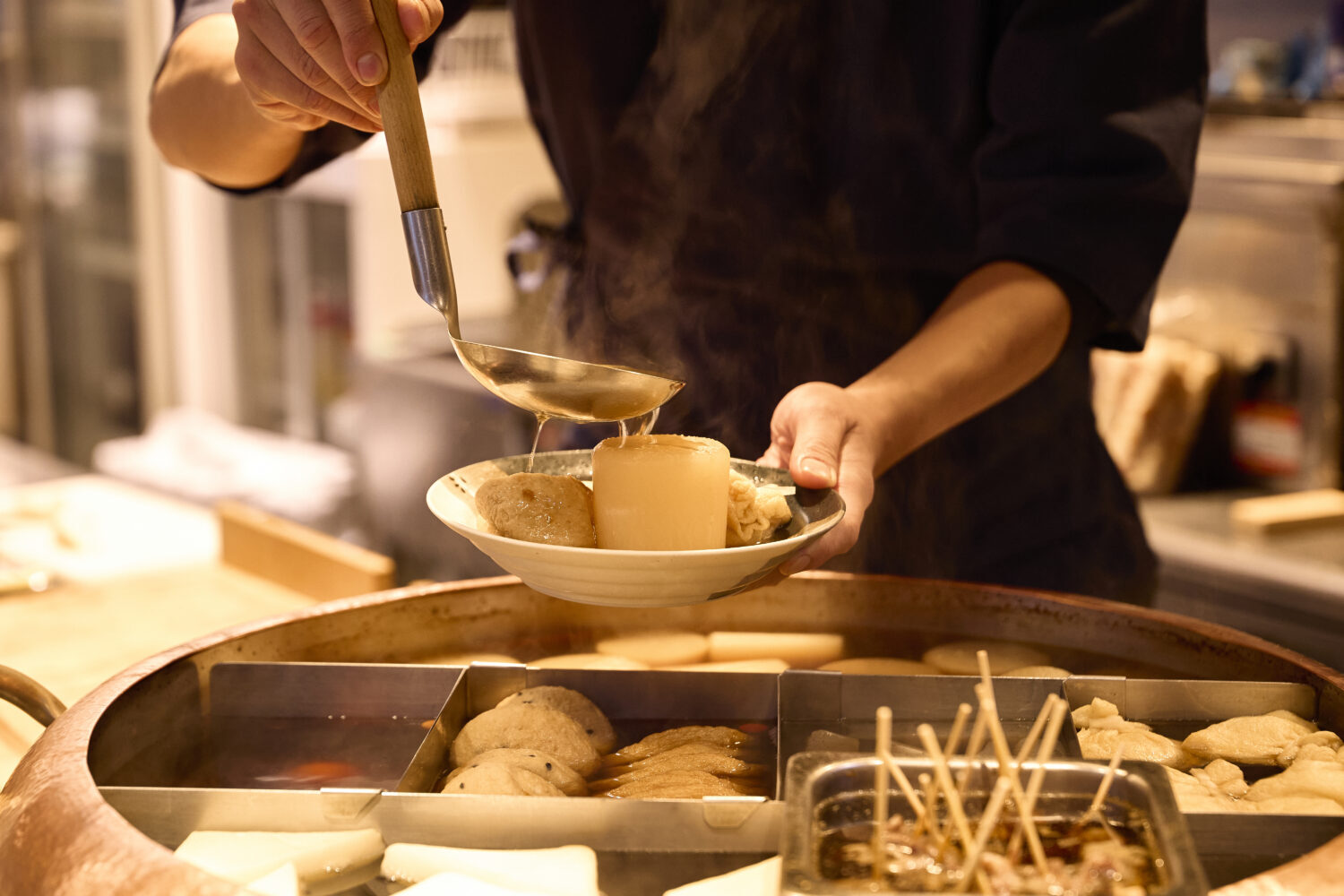
When winter arrives, you’ll even find “oden” sold at convenience stores. It’s no exaggeration to say that it’s the most familiar hot pot dish for Japanese people! What condiments go best with it? Which sake pairs well with oden? And what exactly is the final “dashi wari”? Here’s how to fully enjoy oden, according to Oden-ya Takeshi!
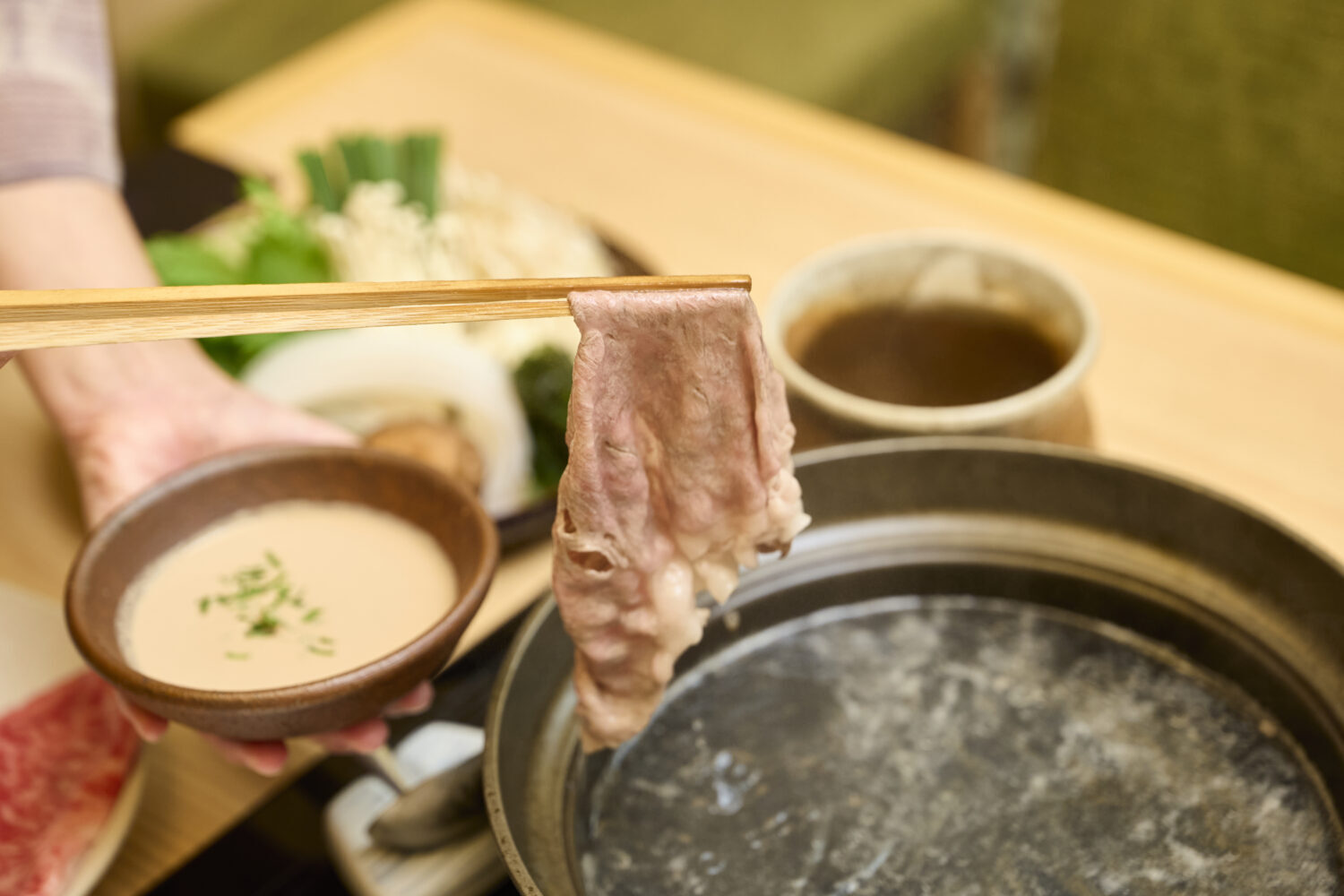
Shabu-shabu is a classic hot pot dish. Many people just casually dip beef and vegetables, but are you doing it right? How long should you swish the beef? What’s the proper way to cook the vegetables? What kinds of condiments and sauces are available? Here’s how to eat it like a pro, straight from a shabu-shabu specialty restaurant!
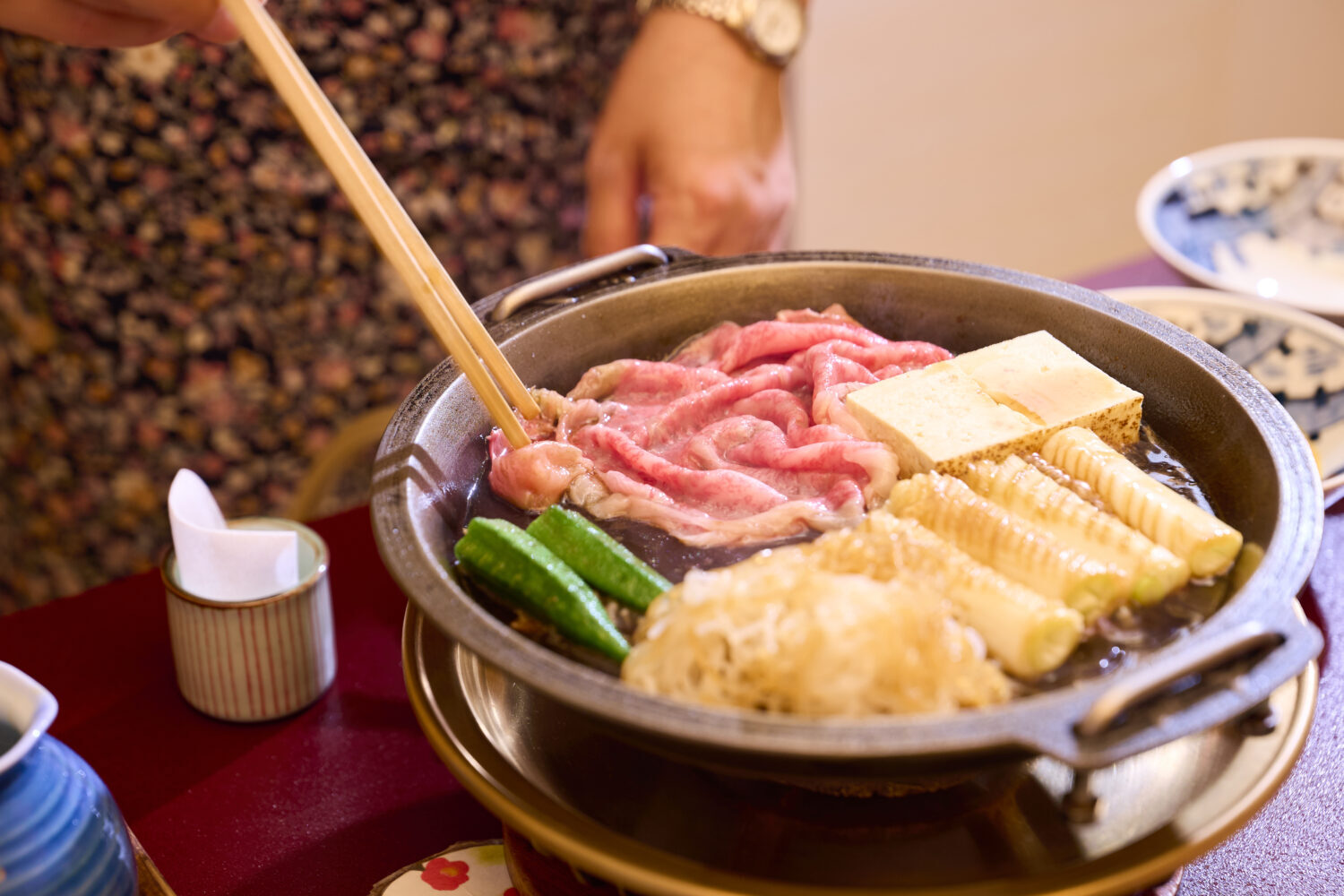
Sukiyaki is one of the most iconic Japanese dishes, well-known even among international visitors. The order in which you cook the beef and vegetables is key. Should you start with the meat? How much should each ingredient be cooked? And what’s the ultimate egg-based finishing touch? Here’s how to master sukiyaki, as taught by the long-established restaurant Ningyocho Imahan!
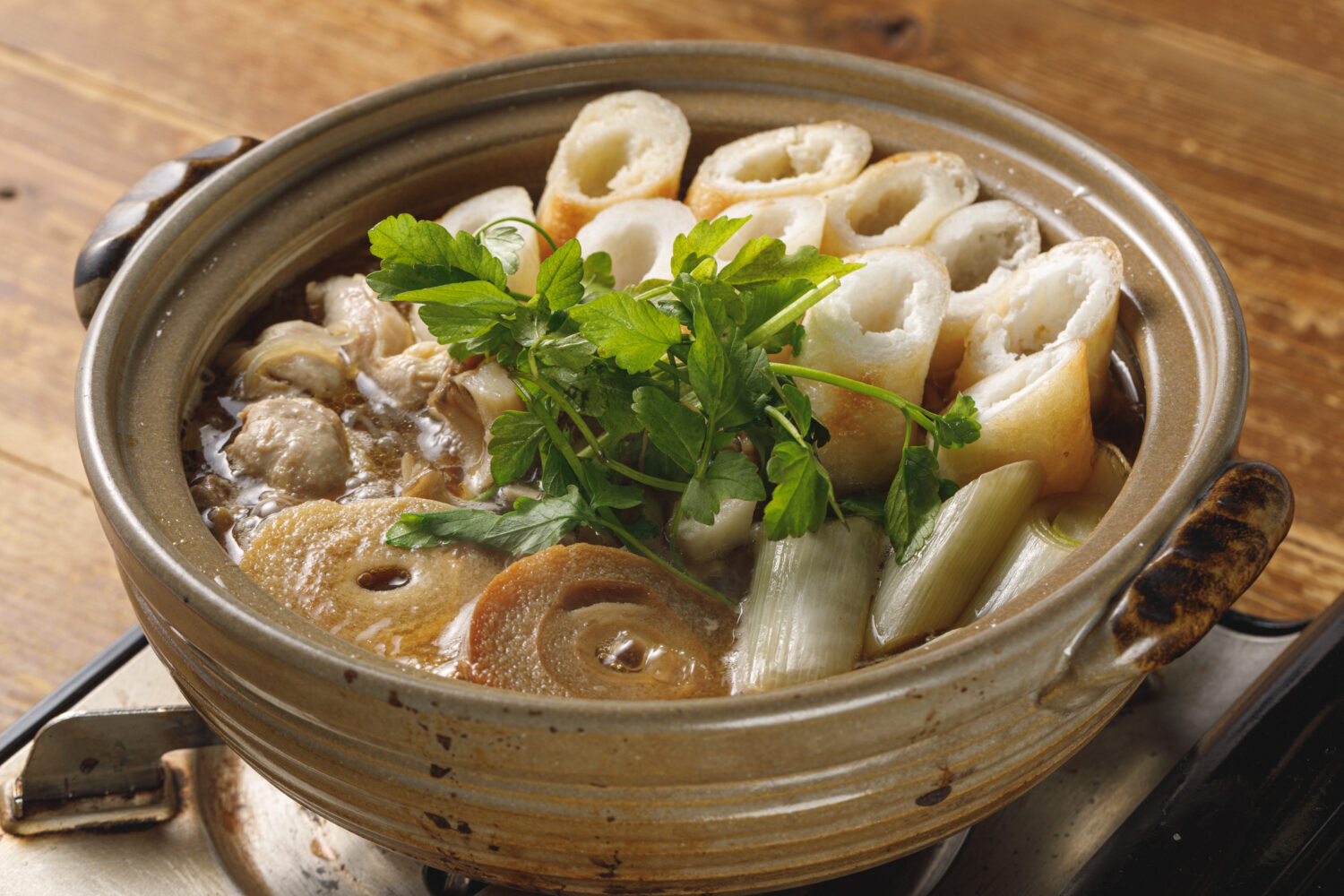
Kiritanpo nabe is a traditional hot pot dish from Akita Prefecture. Since it’s not something people eat often, many wonder: how long should kiritanpo be simmered for the best texture? In what order should the ingredients be added? And is the finale really Inaniwa udon?! Here are the expert tips from a restaurant specializing in Akita’s local cuisine!
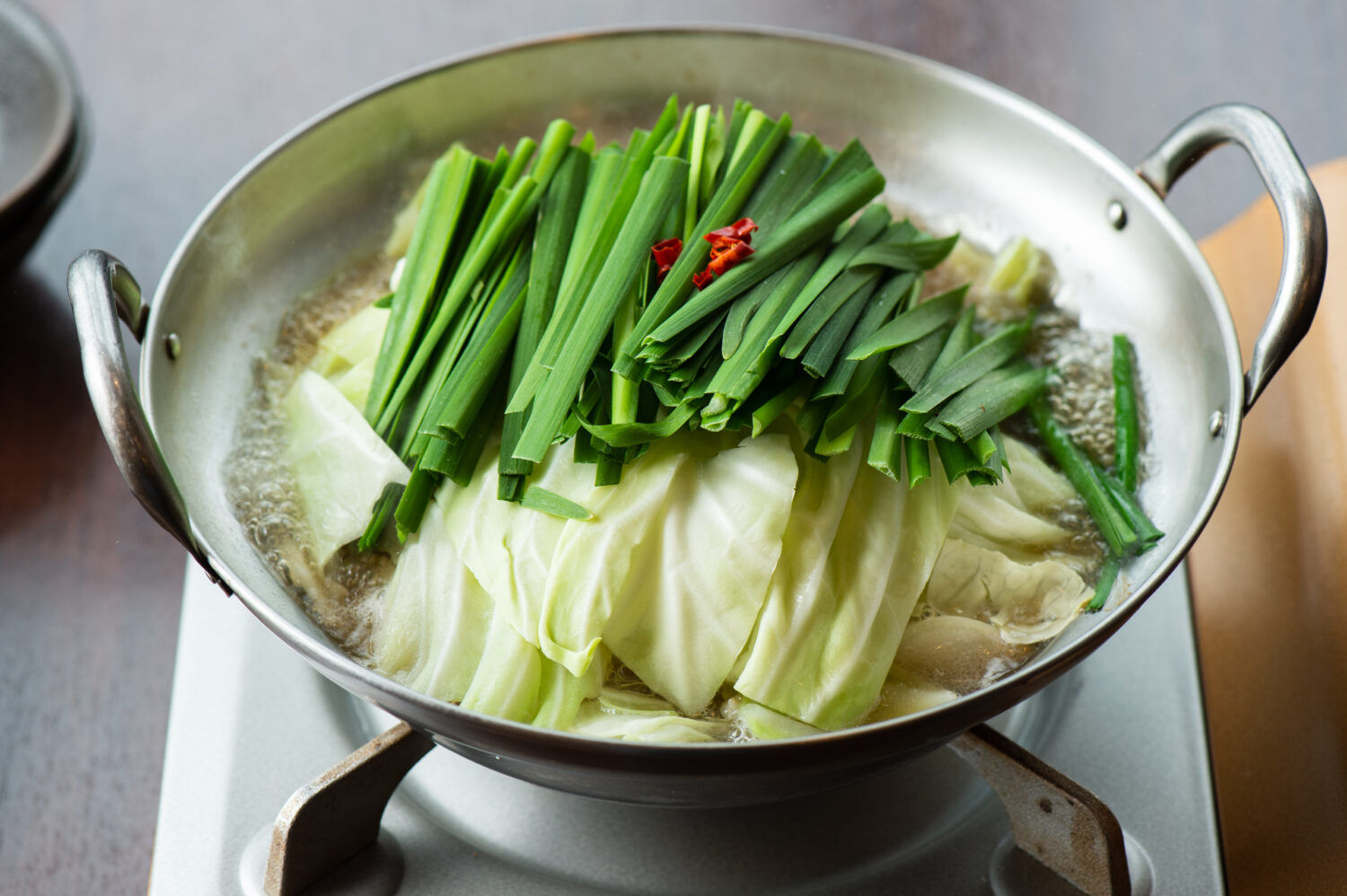
Motsunabe, a specialty of Fukuoka, is known for its heaping mountain of cabbage and garlic chives. How long should it be cooked before it’s ready to eat? Do you dip it in sauce? And for the finale—champon noodles or rice porridge? Here’s how to fully enjoy motsunabe, according to a specialist restaurant!
*The information is based on the time of reporting or creation, and may differ from the current situation.
tags:
share:


\Follow Us/


